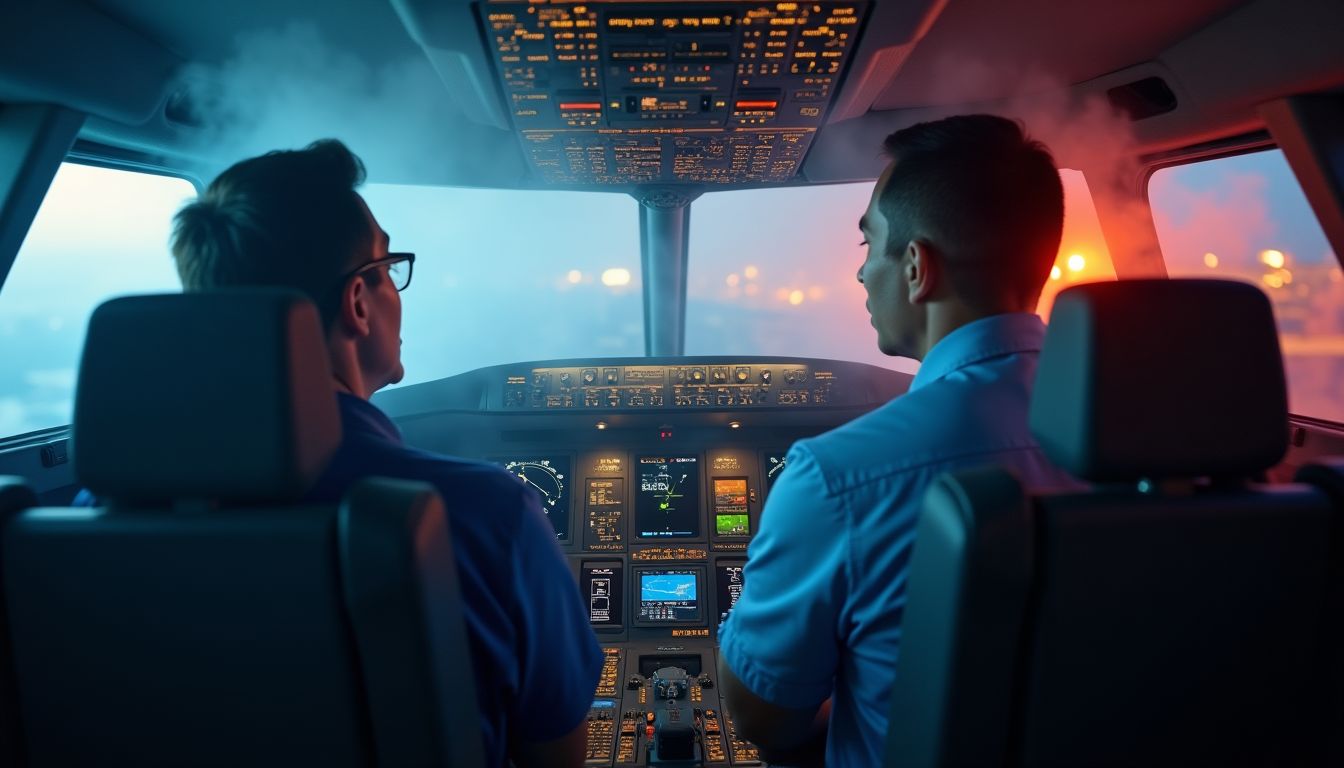
The National Transportation Safety Board on Wednesday urged airlines to develop realistic training programs to prepare pilots for dealing with smoke filling aircraft cockpits, following an incident involving a Southwest Airlines flight.
The safety recommendation comes after NTSB investigators examined a case where a Southwest Airlines plane experienced smoke in the cockpit following a bird strike. The pilots successfully landed the aircraft safely despite the challenging conditions.
Background on Cockpit Smoke Incidents
Smoke in aircraft cockpits presents one of the most serious emergency situations pilots can face, as it can impair visibility and potentially indicate fire or electrical system failures. The Federal Aviation Administration currently requires pilots to receive training on smoke and fumes procedures, but the NTSB's recommendation suggests current training may not adequately prepare crews for realistic smoke conditions.
Bird strikes, while relatively common in aviation, can cause various types of aircraft damage depending on the size of the bird and where impact occurs. When birds are ingested into engines or strike critical aircraft components, they can potentially cause smoke, electrical problems, or engine failure.
Current Training Standards
Airlines currently provide pilots with emergency procedures training that covers smoke and fumes scenarios. However, the NTSB's recommendation indicates that safety investigators believe more realistic, hands-on training could better prepare flight crews for the disorienting effects of actual smoke-filled cockpit conditions.
The Southwest Airlines incident that prompted this recommendation demonstrates both the potential severity of cockpit smoke situations and the importance of proper pilot response. The successful outcome in this case likely influenced the NTSB's decision to focus on enhanced training rather than equipment modifications.
Safety recommendations from the NTSB, while not legally binding, carry significant weight in the aviation industry and often lead to regulatory changes by the Federal Aviation Administration or voluntary adoption by airlines.