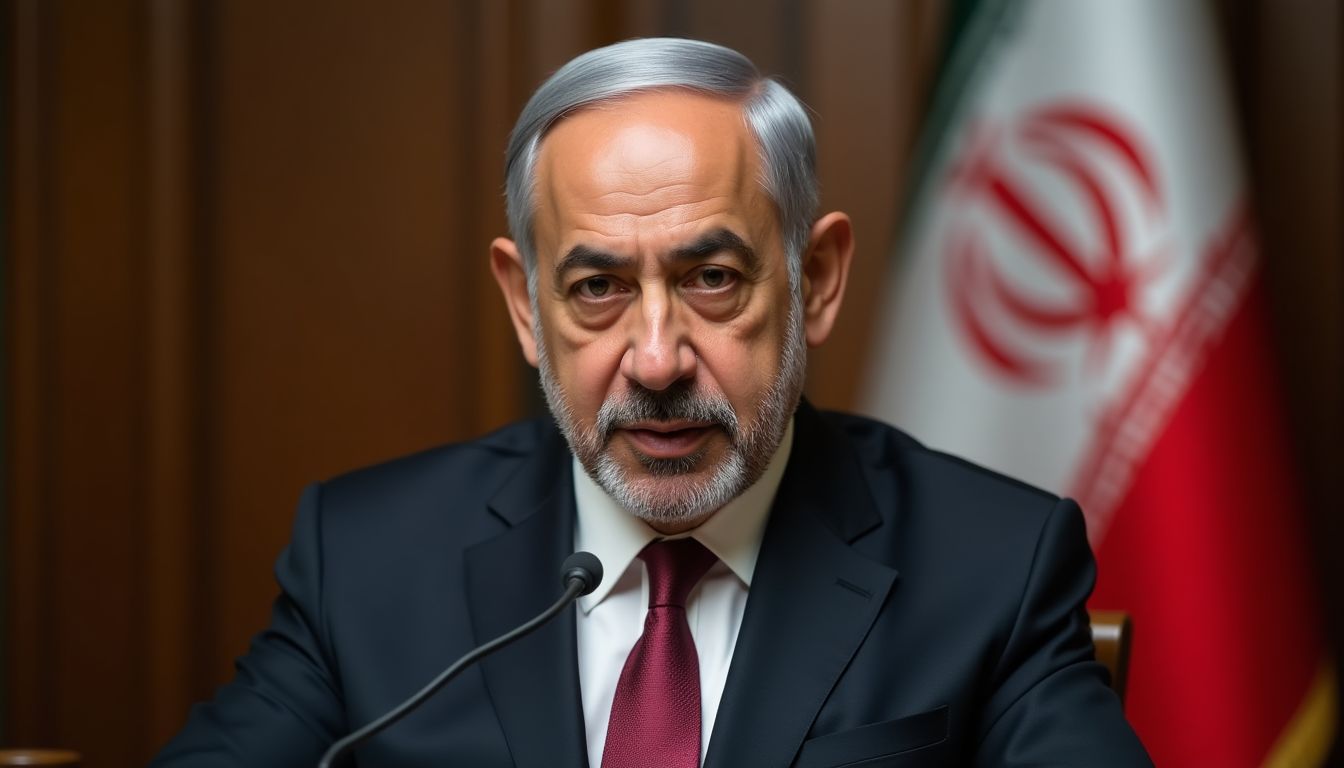
Netanyahu Makes Explosive Claims About Iran's Supreme Leader
Israeli Prime Minister Benjamin Netanyahu sent shockwaves through the international community today by stating there are "growing signs" that Iran's Supreme Leader Ayatollah Ali Khamenei is "gone" following what he described as successful US-Israel coordinated attacks on Iranian targets.
Speaking at a press conference in Tel Aviv, Netanyahu did not elaborate on the specific nature of the intelligence suggesting Khamenei's absence from power, but emphasized that recent military operations had "significantly degraded Iran's command structure."
Unprecedented Military Coordination
The claims come after reports of intensified military activity in the region, with sources indicating that Israeli and American forces conducted synchronized strikes on key Iranian military installations over the past 48 hours. While official details remain classified, defense analysts suggest the operations targeted Iran's Revolutionary Guard Corps facilities and nuclear research sites.
"We have struck at the heart of the Iranian regime's military capabilities," Netanyahu stated during the briefing. "The results speak for themselves, and we are seeing clear indicators that their leadership structure has been fundamentally compromised."
Iran's Response and International Implications
Iranian state media has yet to provide recent footage or statements from the 84-year-old Supreme Leader, who last appeared publicly three weeks ago during Friday prayers in Tehran. This unusual silence has fueled speculation about his current status and health condition.
Regional security experts note that Khamenei's absence from public view, combined with Netanyahu's bold assertions, could signal a major shift in Middle Eastern geopolitics. "If these claims prove accurate, we're looking at potentially the most significant change in Iranian leadership since the 1979 Revolution," said Dr. Sarah Mitchell, a Middle East analyst at the Institute for Strategic Studies.
Escalating Regional Tensions
The alleged strikes represent a dramatic escalation in the ongoing conflict between Israel and Iran's proxy forces across the region. Over the past month, tensions have reached fever pitch following Iranian-backed attacks on Israeli territory and subsequent retaliatory measures.
U.S. State Department officials have declined to confirm American involvement in the reported operations, with spokesperson Jennifer Walsh stating only that "the United States remains committed to Israel's right to self-defense against Iranian aggression."
Market and Diplomatic Reactions
Global oil prices surged 8% following Netanyahu's announcement, while regional currencies experienced significant volatility. Emergency sessions have been called at the United Nations Security Council, with Russia and China demanding immediate clarification on the reported military actions.
European Union foreign ministers are scheduled to convene an emergency meeting tomorrow to address what French President Emmanuel Macron called "an extremely concerning escalation that threatens regional stability."
Questions Remain About Iran's Future
If confirmed, Khamenei's removal from power would leave a massive vacuum in Iran's theocratic system. The Supreme Leader has wielded ultimate authority in Iran since 1989, overseeing the country's nuclear program, military strategy, and foreign policy.
Succession plans within Iran's complex governmental structure remain unclear, with various factions of the Revolutionary Guard and clerical establishment potentially vying for control. Political analysts warn that internal power struggles could lead to increased regional instability or, conversely, create opportunities for diplomatic engagement with a reformed Iranian leadership.
As this developing story continues to unfold, the international community watches closely for concrete evidence supporting Netanyahu's dramatic claims and Iran's official response to these unprecedented allegations.