
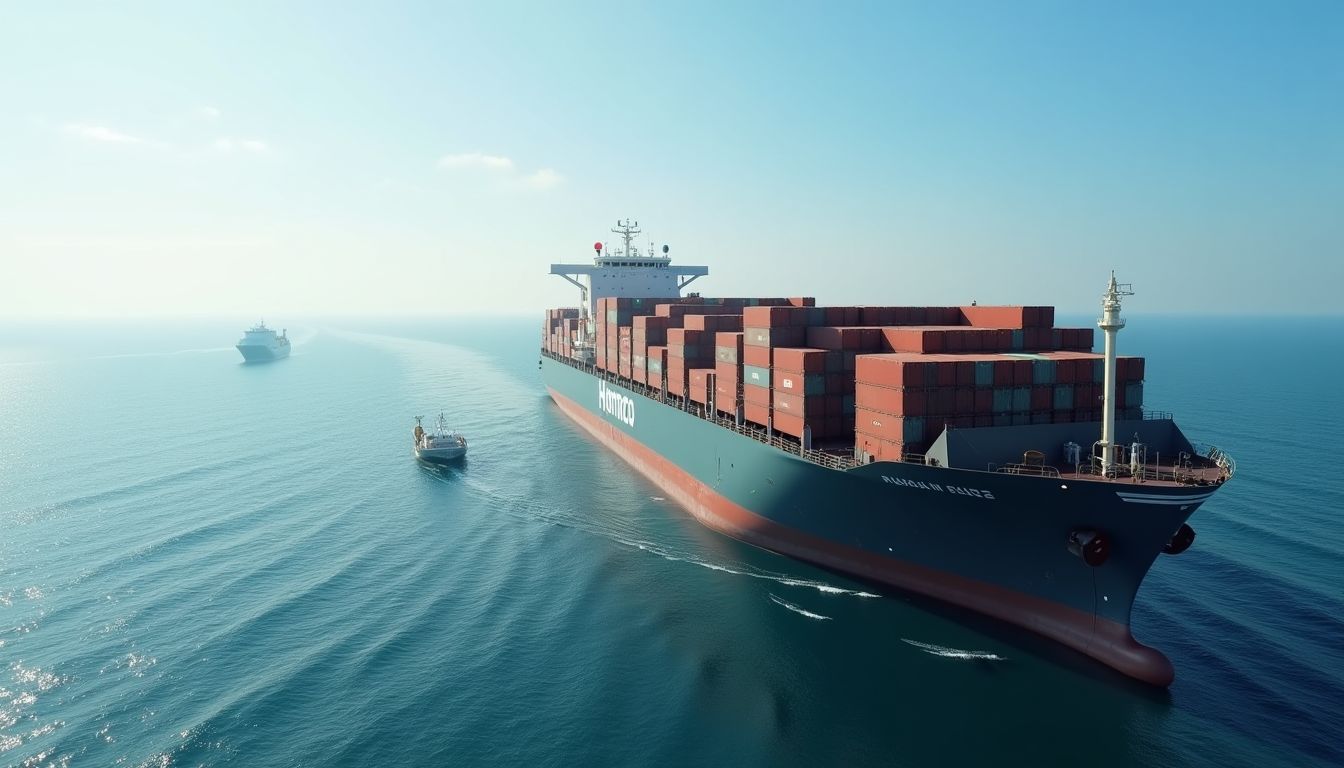
Nearly 100 vessels have transited the Strait of Hormuz since the beginning of March, according to new data analyzed by BBC Verify, revealing that commercial shipping continues to move through one of the world's most strategically critical waterways despite persistent security threats. The findings come amid a pattern of periodic attacks on shipping by Iranian forces in the region. The data underscores a complex reality in which global trade has not halted entirely, but has been significantly disrupted and reshaped by the ongoing danger.
The Strait of Hormuz, a narrow waterway between Iran and Oman, serves as the primary transit point for a substantial portion of the world's oil and liquefied natural gas exports. Roughly 20% of global petroleum trade passes through the strait under normal conditions, making it one of the most economically vital chokepoints on earth. Any sustained disruption to traffic in the area carries significant consequences for global energy prices and supply chains.
The BBC Verify analysis indicates that while ships are still moving through the strait, overall traffic levels reflect the heightened risk environment. Energy tankers and cargo vessels carrying everyday consumer goods are among the vessels continuing to make the passage. However, many shipping companies have altered routes, increased insurance premiums, or taken other precautionary measures in response to the threat of attack from Iranian forces.
Iran has previously seized and targeted commercial vessels in the region, citing various legal and political justifications. The attacks have drawn international condemnation and prompted naval deployments from several Western nations aimed at protecting freedom of navigation. The United States and allied forces have maintained a heightened presence in the Persian Gulf and surrounding waters in recent months.
The continued movement of ships through the strait, even at reduced volumes, suggests that commercial operators are calculating that the economic cost of avoiding the route outweighs the security risk for certain voyages. Alternative routes, such as traveling around the Cape of Good Hope, add significant time and expense to journeys. Shipping analysts note that these decisions are made voyage-by-voyage, with carriers closely monitoring intelligence and naval guidance.
The situation in the Strait of Hormuz remains fluid, with the potential for further escalation depending on broader regional geopolitical developments. Energy markets have been closely watching traffic data for signs of a more serious disruption that could trigger price spikes. The BBC Verify data provides one of the clearest pictures yet of how commercial shipping is navigating the balance between risk and economic necessity in one of the most volatile maritime corridors in the world.