
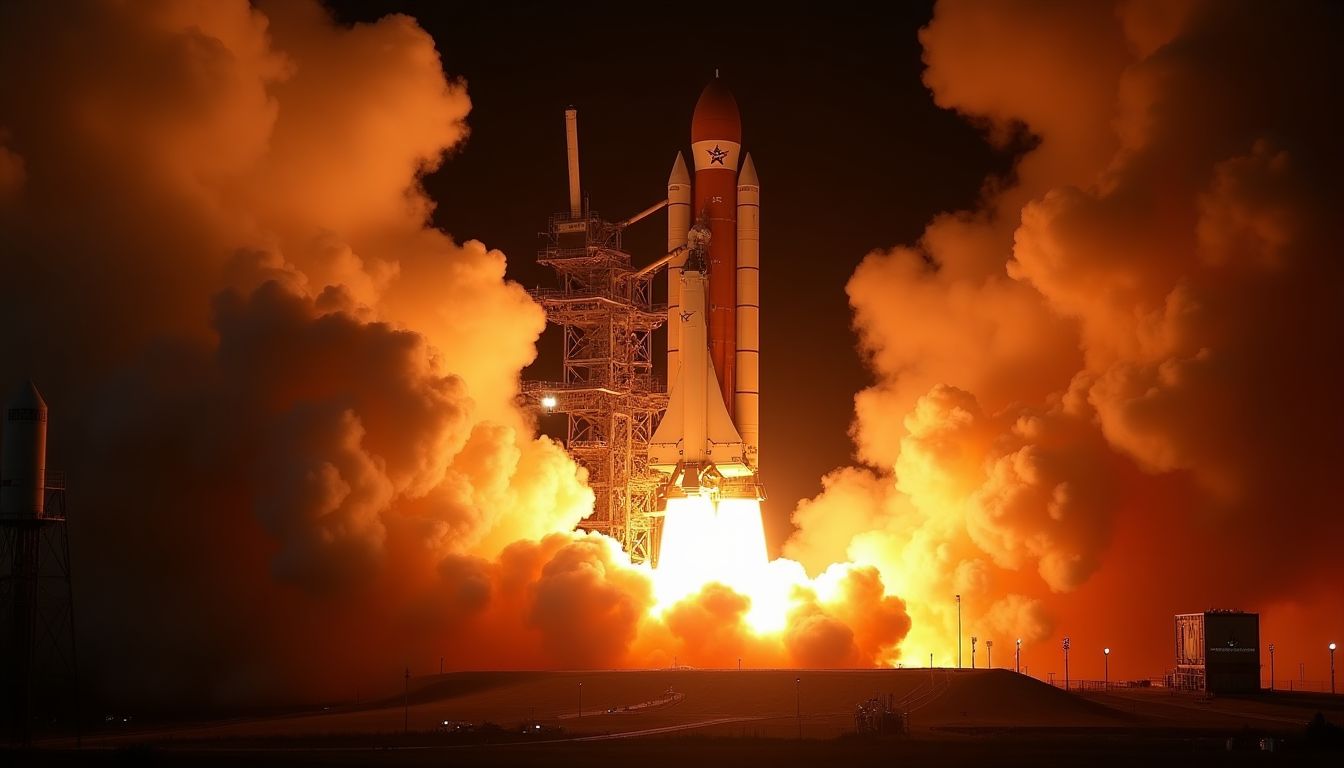
The Artemis II crew consists of NASA astronauts Reid Wiseman, Victor Glover, and Christina Koch, along with Canadian Space Agency astronaut Jeremy Hansen. The four crew members launched aboard the Orion capsule atop NASA's Space Launch System rocket earlier in the mission. Their journey represents the first crewed test flight of the Orion spacecraft and the SLS rocket system, designed to carry humans deeper into space than ever before.
Prior to the thruster firing, NASA conducted a series of preparatory orbital maneuvers to position the spacecraft correctly for the critical burn. The agency confirmed that all systems performed as expected during the engine firing, with mission controllers at NASA's Johnson Space Center in Houston monitoring the operation closely. The successful completion of the burn clears a major technical hurdle for the remainder of the mission.
The Artemis II mission is a crewed flyby, meaning the astronauts will travel around the Moon but will not land on the lunar surface. The mission is intended to test the Orion capsule's life support systems, navigation, and overall performance in deep space with humans on board. Data gathered during this flight will be used to prepare for Artemis III, which aims to return astronauts to the lunar surface for the first time since Apollo 17 in 1972.
NASA's Artemis program represents the agency's broader effort to establish a sustained human presence at and around the Moon, with long-term goals of using the Moon as a stepping stone for eventual crewed missions to Mars. The program has faced years of delays and significant cost overruns, making the successful execution of this maneuver a particularly important moment for the agency. NASA officials have not yet released a precise timeline for when the crew is expected to reach the Moon's vicinity, but the mission is expected to last approximately ten days in total.