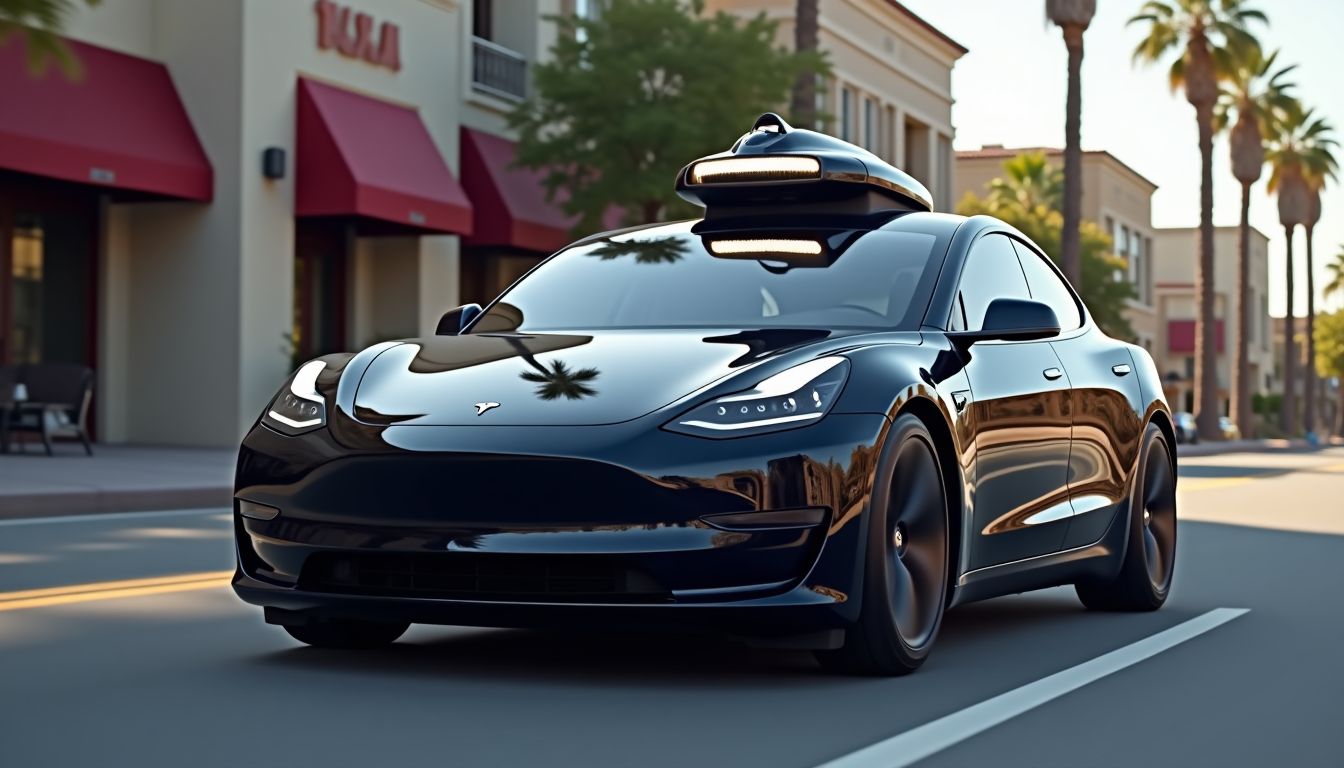
Tesla's Robotaxi Reality Check: No Permit Applications Despite Year of Promises
For more than 12 consecutive months, Tesla CEO Elon Musk has confidently declared that his company's driverless robotaxi service would launch in California within months, pending only regulatory approval from state authorities. However, previously unreported documents from the California Department of Motor Vehicles reveal a stark reality: Tesla has submitted exactly zero permit applications for autonomous vehicle testing or commercial deployment throughout 2024.
The Promise vs. The Paper Trail
Musk's robotaxi predictions began in earnest during Tesla's Q3 2023 earnings call, where he stated the service would be "ready for California deployment by mid-2024." He doubled down on this timeline during multiple investor presentations, Twitter Spaces sessions, and public appearances throughout the year, consistently pushing the launch window to "just a few months away."
"We're basically ready to flip the switch on Full Self-Driving robotaxis in California the moment we get regulatory clearance," Musk declared during a July 2024 conference call with analysts. "It's really just a matter of paperwork at this point."
But that paperwork never materialized. California DMV spokesperson Jessica Gonzalez confirmed to Know It Now that Tesla has not submitted any applications for Autonomous Vehicle Testing Permits, Deployment Permits, or Driverless Testing Permits since January 2024.
What Tesla Would Actually Need
To operate robotaxis in California, Tesla would need multiple layers of approval. First, an Autonomous Vehicle Testing Permit allowing supervised testing on public roads with a safety driver. Next, a Driverless Testing Permit for unsupervised trials. Finally, a Deployment Permit for commercial passenger service.
The application process typically takes 60-90 days for initial review, plus additional time for field demonstrations and safety assessments. Companies like Waymo and Cruise invested years in testing and regulatory compliance before receiving limited deployment approval.
"Tesla would need to demonstrate their technology meets our safety standards through extensive documentation and real-world testing," explains former DMV autonomous vehicle program director Sarah Chen. "You can't just announce you're ready and expect instant approval."
The Competition Gap Widens
While Tesla talked, competitors acted. Waymo currently operates over 300 robotaxis across San Francisco and Los Angeles, completing more than 150,000 paid rides monthly. Cruise, despite regulatory setbacks in 2024, maintains active testing permits and logged over 1 million autonomous miles in California.
Amazon's Zoox received deployment approval for robotaxi testing in San Francisco's South Bay area in September 2024. Even smaller players like Aurora and Argo AI have submitted comprehensive permit applications with detailed safety documentation.
Regulatory Reality Check
Industry experts suggest Tesla's permit absence reflects deeper challenges than simple paperwork delays. "Getting regulatory approval requires admitting your technology has limitations and needs oversight," notes autonomous vehicle analyst Michael Torres. "That doesn't align with Tesla's marketing narrative of having solved self-driving."
Tesla's Full Self-Driving system remains classified as Level 2 automation, requiring constant driver supervision. Robotaxi deployment would need Level 4 or 5 autonomy, representing a significant technological leap.
Financial Implications
Tesla's stock price has repeatedly surged on Musk's robotaxi promises, adding billions to the company's market capitalization. The October 2024 "We, Robot" event, where Musk unveiled the Cybercab robotaxi prototype, drove Tesla shares up 12% despite providing no concrete deployment timeline or regulatory pathway.
With 2024 ending and no permit applications filed, Tesla's robotaxi timeline appears to reset once again, leaving investors and California commuters waiting for promises to become permits.