
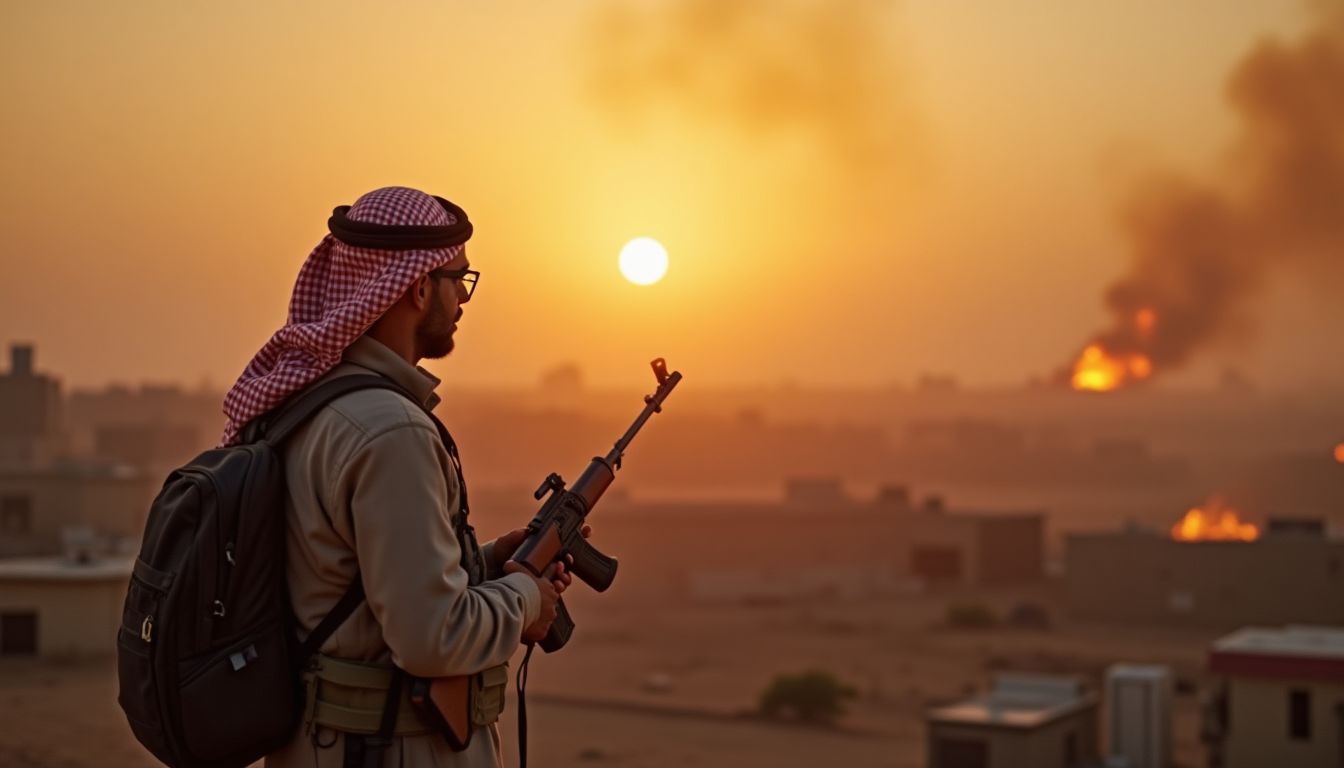
The global economy faces renewed concerns about stagflation as seven weeks of war in the Middle East begins to show measurable economic impacts, according to Bloomberg News reporting.
Business surveys from multiple countries scheduled for release in the coming week are expected to provide the first comprehensive look at how the extended Middle East conflict is affecting economic activity worldwide.
Stagflation Concerns Emerge
Stagflation, a combination of stagnant economic growth and rising inflation, has historically occurred during periods of geopolitical instability that disrupt global supply chains and energy markets. The Middle East region plays a critical role in global energy supplies, and extended conflicts in the area have previously contributed to economic volatility.
The timing of these economic assessments comes as policymakers and businesses are already grappling with inflation concerns and growth uncertainties in major economies.
Business Survey Data Expected
The upcoming business surveys represent what Bloomberg characterized as a second round of data collection, suggesting that initial economic impacts may have already been detected in earlier reporting periods.
These surveys typically measure business confidence, employment trends, pricing pressures, and production levels across various industries and geographic regions.
The seven-week timeframe mentioned indicates the conflict has persisted long enough for economic effects to move beyond immediate market reactions and begin influencing broader business decision-making and economic fundamentals.