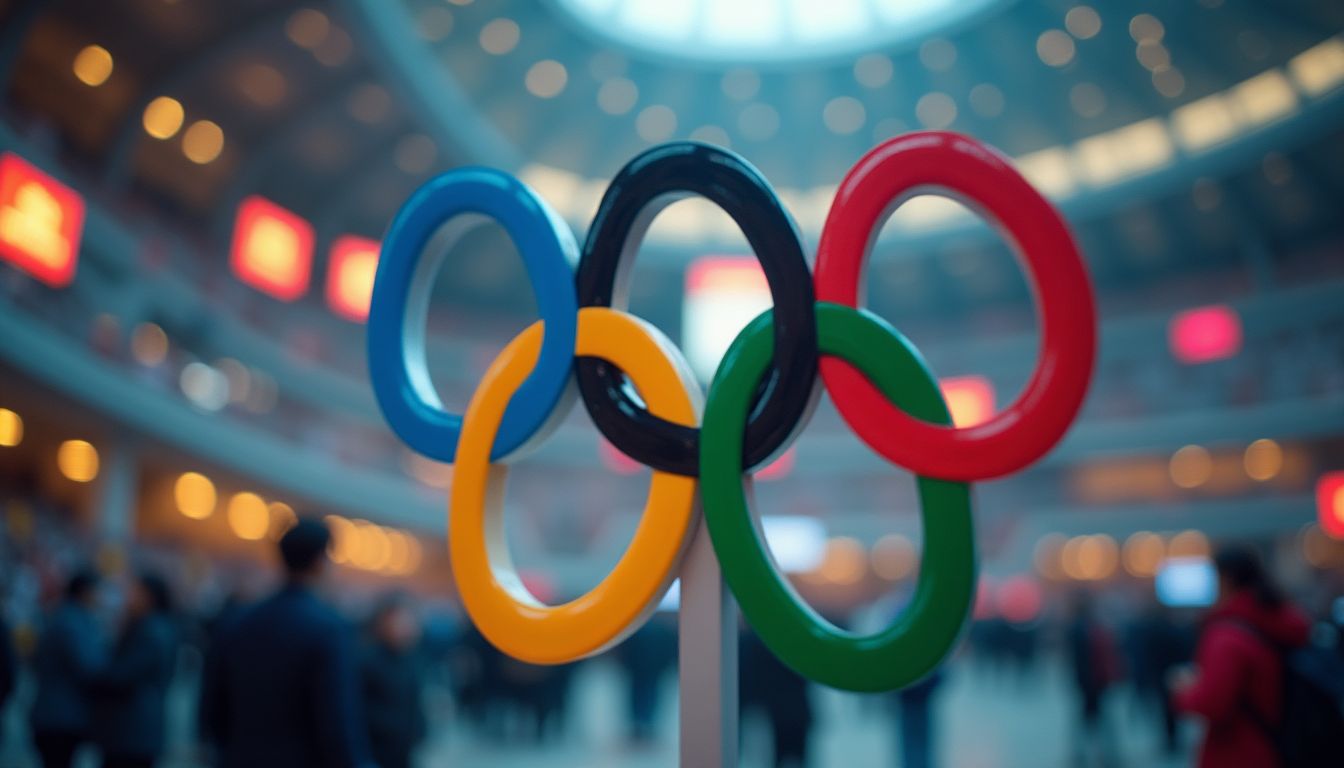
Milan Sets New Standard for Olympic Diplomacy
The 2026 Milan Winter Olympics concluded with what many observers are calling a masterclass in generous patriotism, as athletes from rival nations were seen embracing competitors, sharing equipment, and publicly celebrating each other's achievements in unprecedented displays of international solidarity.
Norwegian cross-country skier Therese Johaug made headlines when she lent her backup skis to Russian athlete Veronika Stepanova after equipment failure, while Team USA figure skater Nathan Chen was photographed teaching technique tips to Chinese competitors during practice sessions.
American Political Climate Poses Unique Challenge
These heartwarming moments of sportsmanship stand in stark contrast to the highly polarized political environment that will greet international visitors when Los Angeles hosts the 2028 Summer Olympics. With an estimated 15 million tourists expected and over 10,000 athletes from 206 nations, the games will unfold against the backdrop of America's increasingly divisive political landscape.
'The Milan games showed us what's possible when athletes rise above geopolitical tensions,' said Dr. Sarah Martinez, director of Olympic Studies at USC. 'But LA 2028 will test whether that same spirit can survive in the current American political climate, especially with the games happening during a presidential election year.'
Security and Protest Concerns Mount
Los Angeles Olympic organizers are already coordinating with federal agencies to prepare for potential political demonstrations, with the FBI allocating an additional $200 million in security funding specifically for managing protest activities during the games.
The 1984 Los Angeles Olympics, the last time the city hosted, saw relatively minimal political disruption despite the Soviet boycott. However, today's social media-amplified political divisions present unprecedented challenges for maintaining the apolitical spirit that Milan athletes demonstrated.
Athletes Prepare for Heightened Scrutiny
American Olympic hopefuls are already receiving media training focused on navigating political questions. Track and field star Ryan Crouser, the current shot put world record holder, recently told reporters: 'We saw how beautiful it was in Milan when athletes just focused on sport. That's what we want to bring to LA, but we know the spotlight will be intense.'
International Olympic Committee President Thomas Bach praised Milan's atmosphere during closing ceremonies, stating: 'These games reminded us that sport can unite people across all boundaries. The challenge now is maintaining that spirit when the stakes are even higher.'
Economic Stakes Add Pressure
With LA 2028 projected to generate $6.9 billion in economic impact for Southern California, organizers are acutely aware that political controversies could overshadow athletic achievements and damage the region's international reputation.
The games will feature 32 sports across 84 venues, making them the largest Summer Olympics in history. This scale means that any political tensions will be magnified across multiple locations and events, unlike the more contained Winter Olympics format.
As Milan's example of generous patriotism fades into Olympic memory, all eyes turn to whether Los Angeles can replicate that spirit of international cooperation, or if America's political reality will create an entirely different kind of Olympic experience in 2028.