
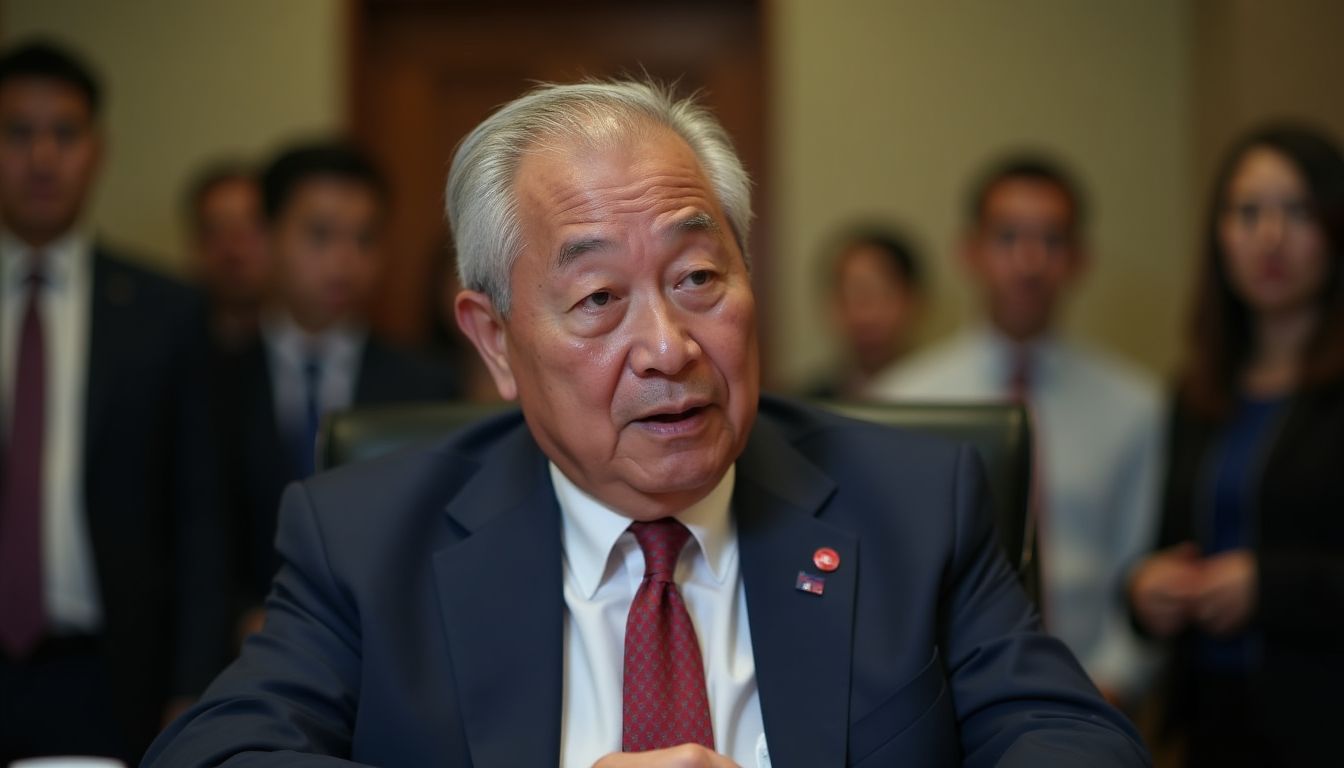
The International Criminal Court's prosecution team on Wednesday firmly rejected allegations that former Philippine soldiers were paid cash to assist in the court's investigation into alleged crimes against humanity in the country. The prosecutors stated their Philippine investigation was conducted independently and funded entirely through a court-approved budget, directly contradicting claims of improper payments to local personnel.
The denial comes in response to accusations from former Philippine military officials who alleged that ICC personnel had made cash deliveries to pay for assistance during the investigation. The prosecution office emphasized that all investigative activities were carried out according to established ICC protocols and financial procedures. Speaking from The Hague, Netherlands, prosecution representatives maintained that the integrity of their investigation remains intact and that no unauthorized payments were made to any individuals.
The ICC's investigation into the Philippines focuses on alleged crimes against humanity committed during President Rodrigo Duterte's anti-drug campaign, which began in 2016. The court opened a preliminary examination in 2018 and later authorized a full investigation despite the Philippines' withdrawal from the Rome Statute in 2019. The investigation centers on alleged extrajudicial killings that human rights groups estimate may have resulted in thousands of deaths.
Philippine government officials have consistently opposed the ICC investigation, with former President Duterte calling it politically motivated and questioning the court's jurisdiction. The current bribery allegations appear to be part of ongoing efforts to discredit the ICC's work in the Philippines. The prosecution team stressed that their investigation follows strict legal and ethical guidelines established by the Rome Statute and ICC regulations.
The timing of these allegations comes as the ICC continues its investigation despite significant political and logistical challenges. The court has faced restrictions on conducting activities within Philippine territory, forcing prosecutors to rely on alternative methods of evidence gathering. The prosecution emphasized that all funding for the investigation comes from assessed contributions by ICC member states and voluntary contributions, all subject to rigorous oversight and audit procedures.
Legal experts note that such allegations against international criminal tribunals are not uncommon, particularly in high-profile cases involving sitting or former government officials. The ICC has established mechanisms to address complaints about prosecutorial conduct and maintains transparency in its financial operations. The court's Assembly of States Parties oversees the ICC's budget and ensures proper use of funds allocated for investigations and prosecutions worldwide.