Hungary Takes Controversial Stand on Ukraine Aid
Hungary has thrown a major wrench into European Union support for Ukraine, with Foreign Minister Péter Szijjártó announcing that Budapest will block a planned €90 billion ($106 billion) loan package until Russian oil flows through the Druzhba pipeline resume.
The announcement marks one of the most significant challenges to EU unity on Ukraine support since Russia's invasion began, potentially derailing critical financial assistance that Kyiv desperately needs to maintain its war effort and keep its economy afloat.
Pipeline Politics Create EU Crisis
The Druzhba pipeline, which means "friendship" in Russian, has been a crucial energy lifeline for several EU member states, including Hungary. The pipeline system carries Russian crude oil through Belarus and Ukraine to refineries in Central and Eastern Europe, supplying roughly 15% of Hungary's oil imports.
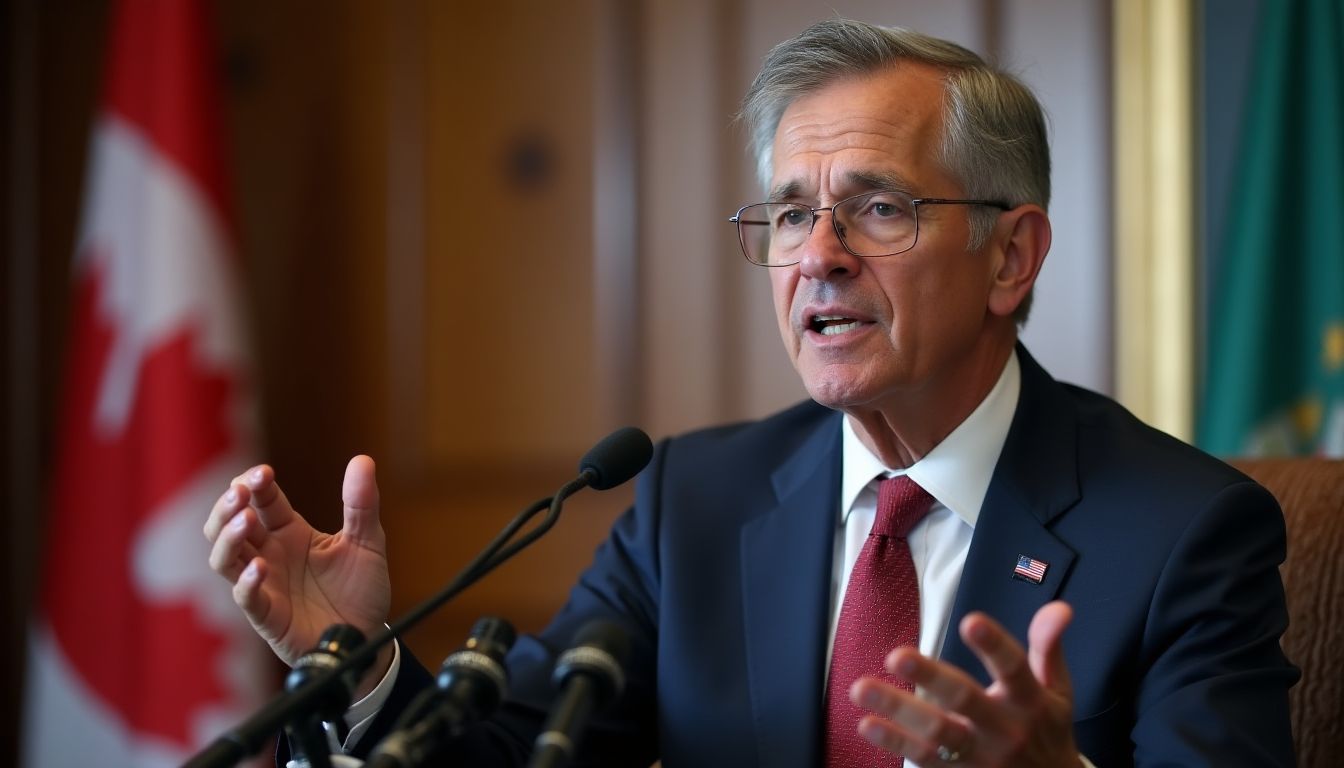
"Hungary cannot and will not support any EU financial assistance to Ukraine until the transit of Russian oil through Ukrainian territory is fully restored," Szijjártó reportedly stated during a press conference in Budapest. "Ukraine's decision to restrict oil flows has directly violated our energy security interests."
The Hungarian position puts the country at odds with the majority of EU member states, who have been working to reduce dependence on Russian energy while simultaneously supporting Ukraine's defense against Russian aggression.
€90 Billion Package at Risk
The threatened loan package represents one of the largest financial commitments the EU has planned for Ukraine since the war began in February 2022. The funds are intended to support Ukraine's military capabilities, humanitarian needs, and economic stability as the country faces mounting pressure from prolonged conflict.
Under EU procedures, major financial decisions require unanimous consent from all 27 member states, giving Hungary effective veto power over the proposal. This institutional requirement has previously allowed individual countries to hold up EU-wide initiatives, but rarely on such a scale or controversial topic.
"This is exactly the kind of blackmail tactics that Putin hopes to see from within the EU," said a senior EU diplomat, speaking on condition of anonymity. "Hungary is essentially holding Ukraine's financial lifeline hostage for its own energy interests."
Ukraine Caught in Middle
Ukraine finds itself in an impossible position, simultaneously fighting Russian forces while being pressed to maintain infrastructure that benefits its invader's economy. Ukrainian officials have argued that restricting Russian oil transit is a legitimate defensive measure and economic weapon against Moscow.
The Druzhba pipeline issue highlights the complex web of energy dependencies that Russia has cultivated across Europe over decades. Despite EU efforts to wean itself off Russian energy, several member states, particularly Hungary, remain heavily reliant on Moscow's oil and gas supplies.
Broader Implications for EU Unity
Hungary's stance threatens to expose deeper fractures within the European Union regarding how far member states should go in supporting Ukraine versus protecting their own economic interests. Prime Minister Viktor Orbán's government has consistently taken positions that diverge from mainstream EU policy on both Russia sanctions and Ukraine aid.
The controversy comes at a critical time, with Ukraine facing increased military pressure and winter approaching. Ukrainian President Volodymyr Zelenskyy has repeatedly emphasized that sustained international financial support is as crucial as military aid for his country's survival.
EU officials are now scrambling to find alternative mechanisms to provide the funding or convince Hungary to reverse its position, but with energy prices rising across Europe, Budapest appears to have significant leverage in the standoff.