
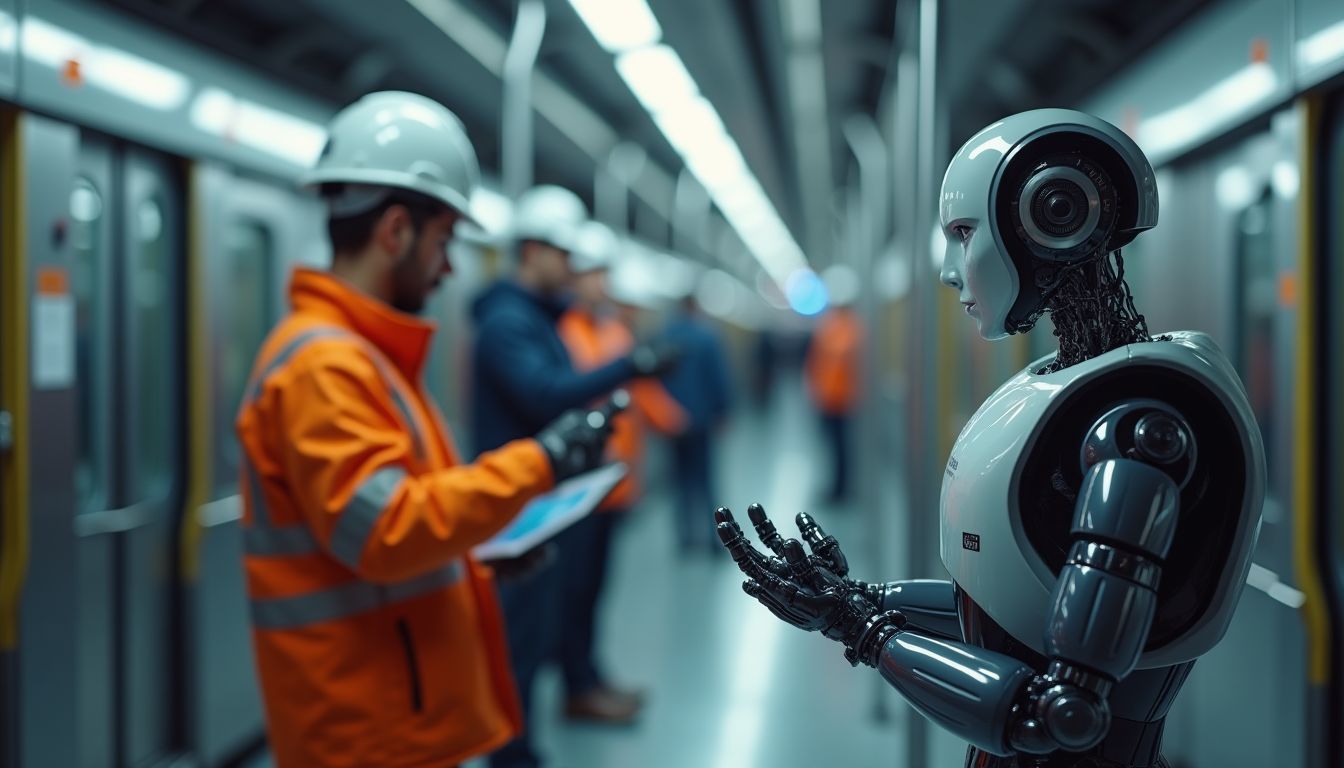
Gig workers are being paid to film themselves completing routine household tasks as part of a growing effort to provide training data for robotic systems, according to reporting by Skye Jacobs.
The initiative addresses a fundamental challenge in robotics development that differs significantly from other forms of artificial intelligence training. While chatbots learned to replicate human language patterns by analyzing vast collections of text available on the internet, robots face a data scarcity problem when it comes to learning physical movements.
The Movement Data Gap
The internet lacks the detailed examples of real-world movement that robots need to learn basic tasks. Simple actions that humans perform instinctively contain layers of complexity that must be captured and analyzed for robotic systems to replicate them effectively.
Activities being recorded include fundamental household chores such as gripping a sponge, stirring soup, and turning off a running water tap. These seemingly basic tasks involve nuanced hand movements, pressure adjustments, and spatial awareness that robots must learn to perform reliably.
Training Real-World Skills
The recorded footage provides robots with visual data showing how humans naturally approach and complete physical tasks. This represents a shift from traditional robotic programming, where movements were typically coded rather than learned from observation.
The approach reflects the broader challenge of translating human dexterity and intuitive problem-solving into mechanical systems. Each recorded task captures subtle variations in technique, grip strength, and movement patterns that contribute to successful task completion.
The gig work model allows researchers and companies to gather diverse examples of human movement across different individuals and approaches to the same tasks, potentially improving the robustness of robotic training systems.