Firefighters face a sobering reality: their dedication to public safety comes at the cost of a 10-year reduction in life expectancy compared to the general population, according to health experts studying occupational hazards in emergency services.
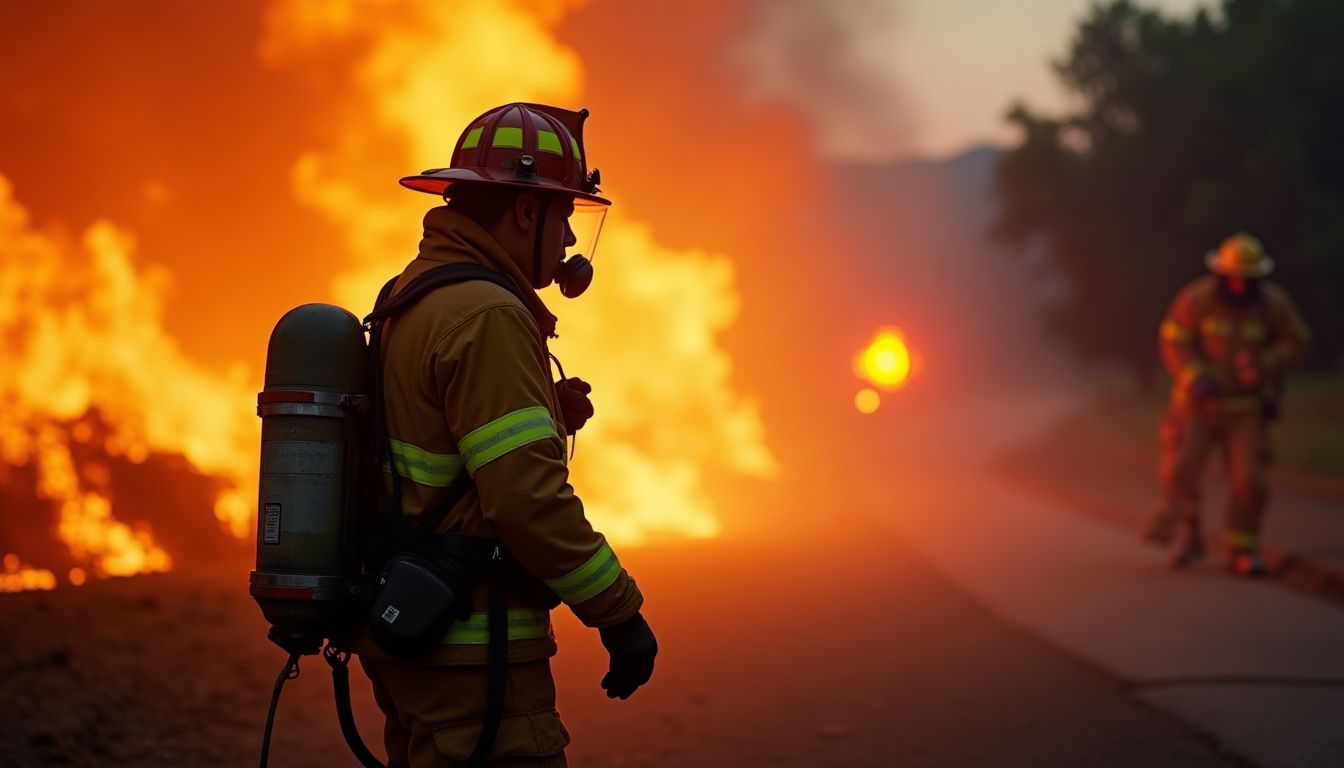
The shortened lifespan among first responders stems from three primary occupational hazards that compound over years of service. Chronic smoke exposure represents the most visible threat, as firefighters regularly inhale toxic particles and chemicals released during structural fires, wildland blazes, and vehicle accidents.
Multiple Health Risk Factors
Sleep deprivation creates another significant health burden for firefighters, who often work irregular shifts and respond to emergency calls throughout the night. This disrupted sleep pattern affects immune function, cognitive performance, and cardiovascular health over time.
The third major factor is chronic stress, which firefighters experience both during high-stakes emergency responses and from the cumulative psychological impact of witnessing traumatic situations throughout their careers.
Elevated Disease Risks
These occupational hazards specifically increase firefighters' susceptibility to two major categories of life-threatening conditions. Heart disease risks rise due to the combination of physical exertion in dangerous conditions, irregular sleep patterns, and sustained stress levels that elevate blood pressure and strain cardiovascular systems.
Cancer risks also increase substantially, primarily from repeated exposure to carcinogenic substances released during fires. These toxic exposures accumulate in firefighters' bodies over years of service, leading to higher rates of various cancer types compared to other professions.
Lifestyle Interventions Show Promise
Despite these sobering statistics, medical professionals have identified that small but consistent lifestyle modifications can help firefighters improve their longevity prospects. Doctors working with first responder populations emphasize that targeted health interventions can help offset some occupational hazards.
The 10-year lifespan reduction represents an average across the firefighting profession, highlighting the need for comprehensive health support systems for first responders who risk their lives to protect communities. Understanding these health risks allows both individual firefighters and fire departments to implement preventive measures that could help extend careers and post-retirement life expectancy.