
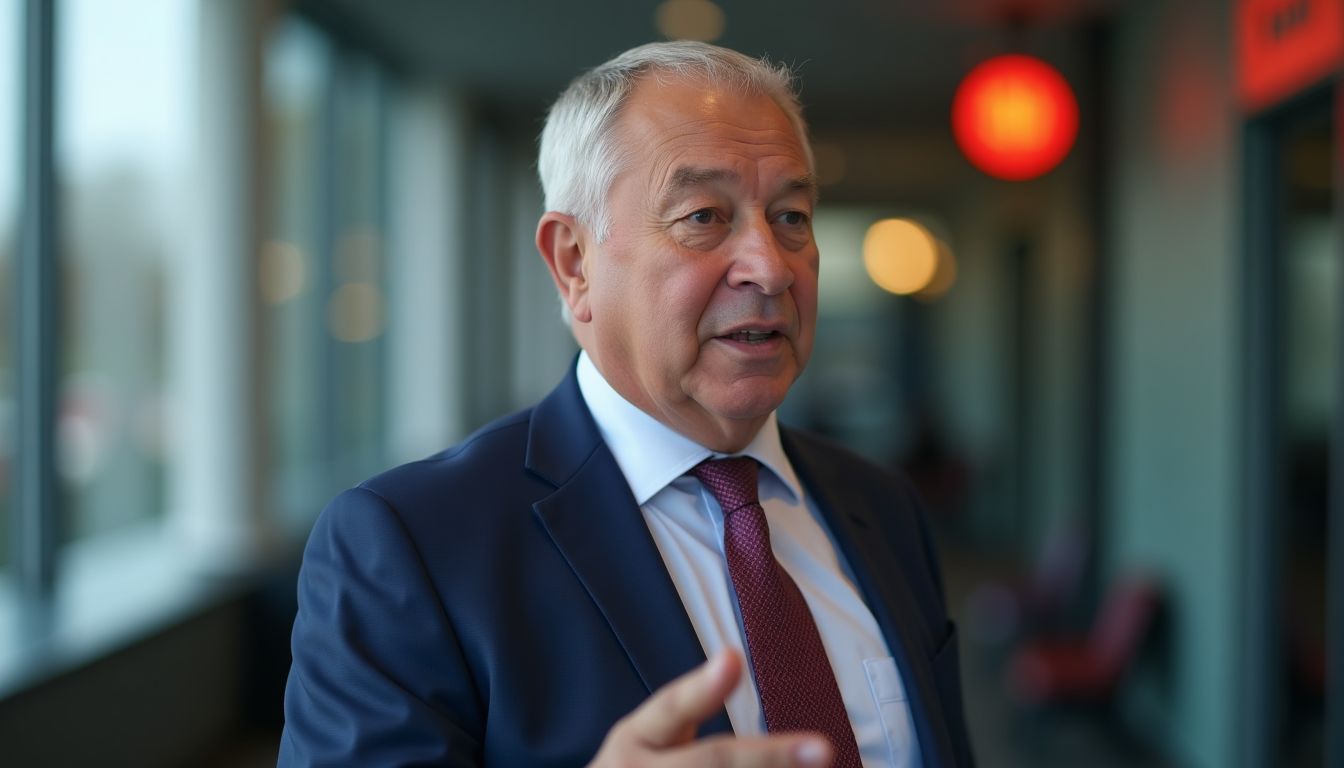
New Zealand Finance Minister Nicola Willis has outlined a stark "worst-case scenario" for the country's economy if the ongoing Middle East conflict continues to escalate, warning that prolonged disruptions to global oil supply routes could ultimately lead to fuel restrictions on New Zealand soil. Willis made the comments Sunday morning during an appearance on TVNZ's Q+A programme, marking one of the most direct government acknowledgements yet of the potential domestic impact of the widening regional conflict.
The Finance Minister confirmed that New Zealand currently holds approximately 50 days of fuel supply in reserve, a figure she described as providing a meaningful buffer against short-term disruptions. However, Willis cautioned that this stockpile would not indefinitely protect consumers and businesses if shipping lanes and oil infrastructure in the Middle East remain under sustained pressure. She said the Government is actively planning for scenarios involving supply disruptions and significantly higher fuel prices flowing through to the broader economy.
Willis identified a range of economic consequences that could stem from a prolonged conflict, including slowed economic growth, rising inflation driven by higher energy costs, and increased pressure on household budgets already strained by the cost of living. In what she described as the worst-case outcome, the Minister did not rule out the possibility of fuel restrictions being imposed, a measure that would represent a significant intervention in the daily lives of New Zealanders and the operation of key industries. She stressed that such an outcome remained at the far end of the probability spectrum but warranted serious contingency planning.
The Minister's comments come as global oil markets continue to react nervously to developments in the Middle East, with shipping traffic through key corridors including the Red Sea facing ongoing disruption from Houthi attacks targeting commercial vessels. New Zealand, as a geographically isolated island nation heavily dependent on imported fuel, is considered particularly exposed to prolonged disruptions in global maritime supply chains. The country imports the vast majority of its refined petroleum products, making fuel security a critical national concern during periods of global instability.
Willis emphasised that the Government's priority was transparent communication with the public about the risks while working with industry and international partners to safeguard supply. She stopped short of announcing any new specific emergency measures, but indicated that existing contingency frameworks were under active review. Opposition parties are expected to scrutinise the Government's preparedness in the coming days as the situation in the Middle East continues to evolve and pressure mounts on Wellington to articulate a clear fuel security strategy for New Zealanders.