Cincinnati NAACP President Calls on Americans to Embrace 'Reparations' as Movement Gains Momentum Nationwide
A growing coalition of reparations advocates is pushing harder than ever for direct payments to Black Americans, navigating a minefield of budget constraints, legal hurdles, and deep political divisions — but their resolve shows no signs of weakening.
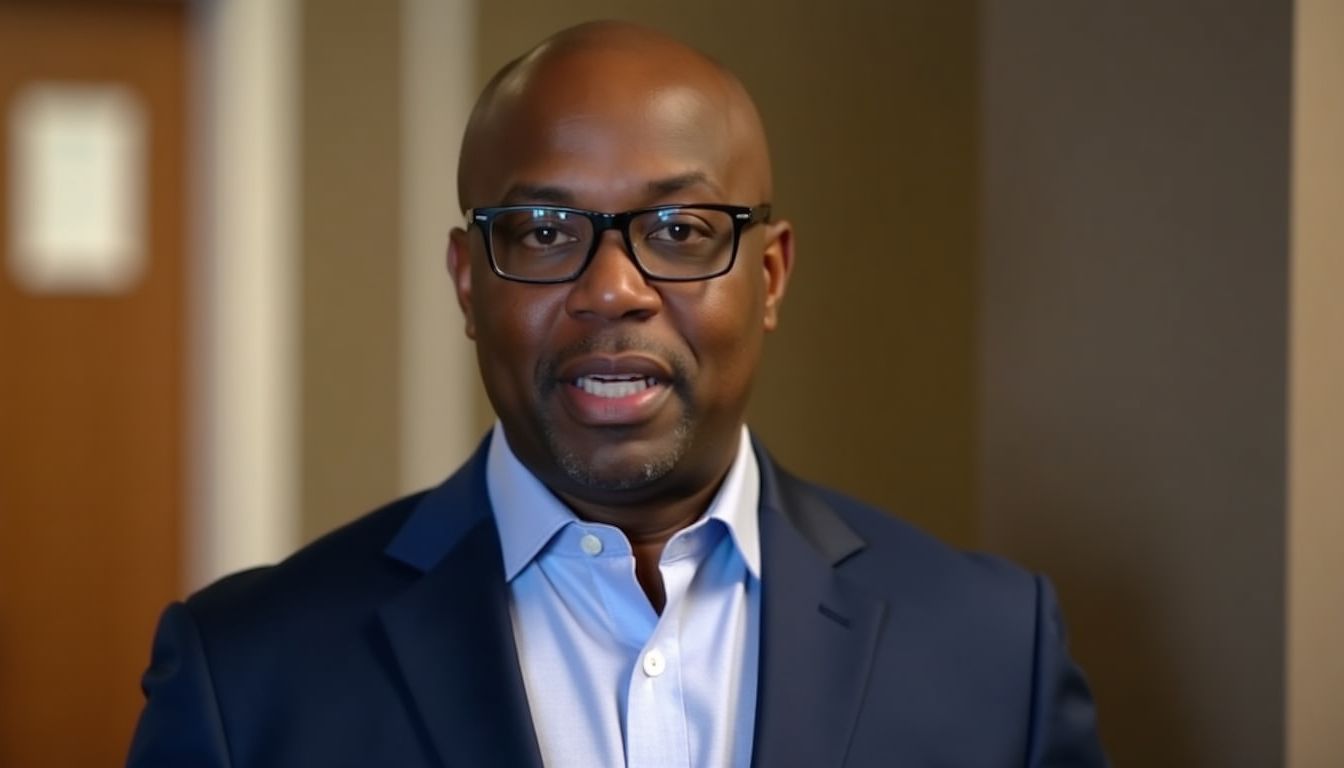
Cincinnati NAACP President David Whitehead made headlines last week when he stood before a packed community forum and urged residents to shed their discomfort with the word itself. "Don't let the term scare you," Whitehead said. "Reparations is simply about repair — repairing centuries of documented, systemic harm that stripped wealth and opportunity from generations of Black Americans. We are not asking for charity. We are asking for accountability."
A National Movement With Local Battlegrounds
The push for reparations is no longer a fringe conversation. From San Francisco to Evanston, Illinois — which became the first U.S. city to formally distribute reparations payments in 2021, offering $25,000 housing grants to eligible Black residents — local governments are wrestling with what a meaningful program would look like and, critically, how to pay for it.
Economists and advocacy groups have estimated that a comprehensive federal reparations program could carry a price tag exceeding $14 trillion, a figure that critics say is fiscally impossible given the nation's current $34 trillion debt load. Supporters, however, argue the figure reflects the true scale of the economic gap that has persisted since emancipation.
"The question isn't whether we can afford reparations," said Dr. Kamilah Martin, an economic justice researcher at Howard University. "The question is whether we can afford to keep ignoring a wealth gap that costs the American economy an estimated $2 trillion annually in lost productivity and untapped potential."
Legal Challenges Cloud the Path Forward
Beyond the budget battles, reparations programs face serious constitutional scrutiny. Legal analysts warn that race-specific payments could trigger Equal Protection Clause challenges under the 14th Amendment. A federal reparations bill, H.R. 40 — which would simply establish a commission to study the issue — has been introduced in Congress every year since 1989 and has never received a full floor vote.
"The legal architecture for reparations doesn't yet exist at the federal level," said constitutional attorney Raymond Solis. "Every municipality that moves forward is essentially a test case, and we're going to see these programs challenged in court almost immediately."
San Francisco's reparations task force proposed a landmark $5 million lump-sum payment per eligible Black resident in 2023, a proposal that generated international headlines but was ultimately shelved due to cost concerns in a city already facing a projected $780 million budget deficit.
Advocates Remain Defiant and Strategic
Despite the obstacles, organizers say the momentum is irreversible. More than 30 states and cities have introduced some form of reparations legislation or study commissions since 2020, according to the National African American Reparations Commission (NAARC).
Whitehead and other advocates are shifting strategy, focusing on targeted, community-level programs centered on housing assistance, educational funding, and small business grants — measures they believe can withstand legal challenges by tying benefits to documented economic harm rather than race alone.
"We're being smart about this," Whitehead told Know It Now. "We're building the case brick by brick — in Cincinnati, in Columbus, in cities across Ohio and this country. This is not a sprint. This is a long march toward justice."
What Comes Next
With the 2024 presidential election having reignited debates over racial equity policy, reparations advocates say the political window, while narrow, is not closed. Congressional hearings on H.R. 40 are expected to resume in early 2025, and at least four additional cities are anticipated to announce formal reparations study commissions before year's end.
For Whitehead and millions of Americans who see reparations as an overdue moral reckoning, the message is clear: the debate is no longer about if — it's about how.