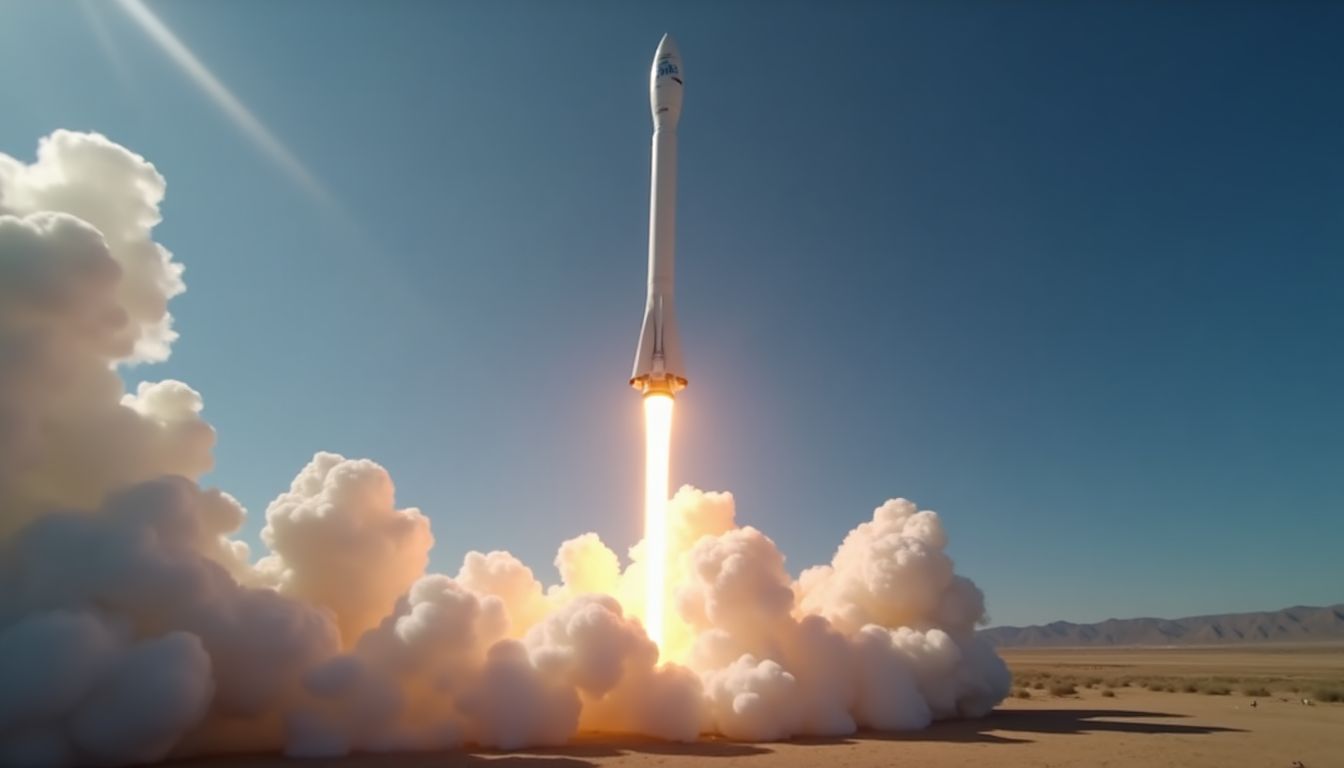
Blue Origin achieved a significant milestone by successfully reusing a rocket booster for the first time during its latest space mission, though the flight failed to complete its main objective.
The mission represented a critical step forward for Blue Origin's reusability program, as rocket booster reuse is considered essential for reducing launch costs and increasing flight frequency in the commercial space industry. This milestone puts Blue Origin on a similar path to competitors like SpaceX, which has made rocket reusability a cornerstone of its operations.
Mixed Results for Space Mission
Despite the successful booster reuse, the mission fell short of its primary goal, though specific details about the nature of the failure have not been disclosed. The contrast between the reusability success and mission failure highlights the complex challenges facing commercial space companies as they work to perfect multiple aspects of spaceflight simultaneously.
Significance for Blue Origin
The successful rocket booster reuse represents a major technological achievement for Blue Origin, founded by Amazon's Jeff Bezos. Reusable rocket technology is critical for the economics of commercial spaceflight, as it allows companies to significantly reduce per-launch costs by avoiding the need to build new boosters for each mission.
Blue Origin has been developing its space capabilities across multiple programs, including suborbital tourism flights and orbital launch services. The company's ability to successfully recover and reuse rocket hardware demonstrates progress in its broader goal of making space access more routine and affordable.
The mixed outcome of this mission reflects the inherent challenges in space exploration, where technical successes in one area can coincide with setbacks in another. For Blue Origin, the successful booster reuse provides valuable data and experience for future missions, even as the company works to address whatever factors prevented the completion of the mission's primary objective.