BAFTA Broadcast Interrupted by Tourette's-Related Racial Slur
The prestigious British Academy Film and Television Arts (BAFTA) Awards ceremony was thrust into controversy when a guest with Tourette syndrome involuntarily shouted a racial slur during the live broadcast, exposing millions of viewers to a rare and misunderstood symptom of the neurological condition.
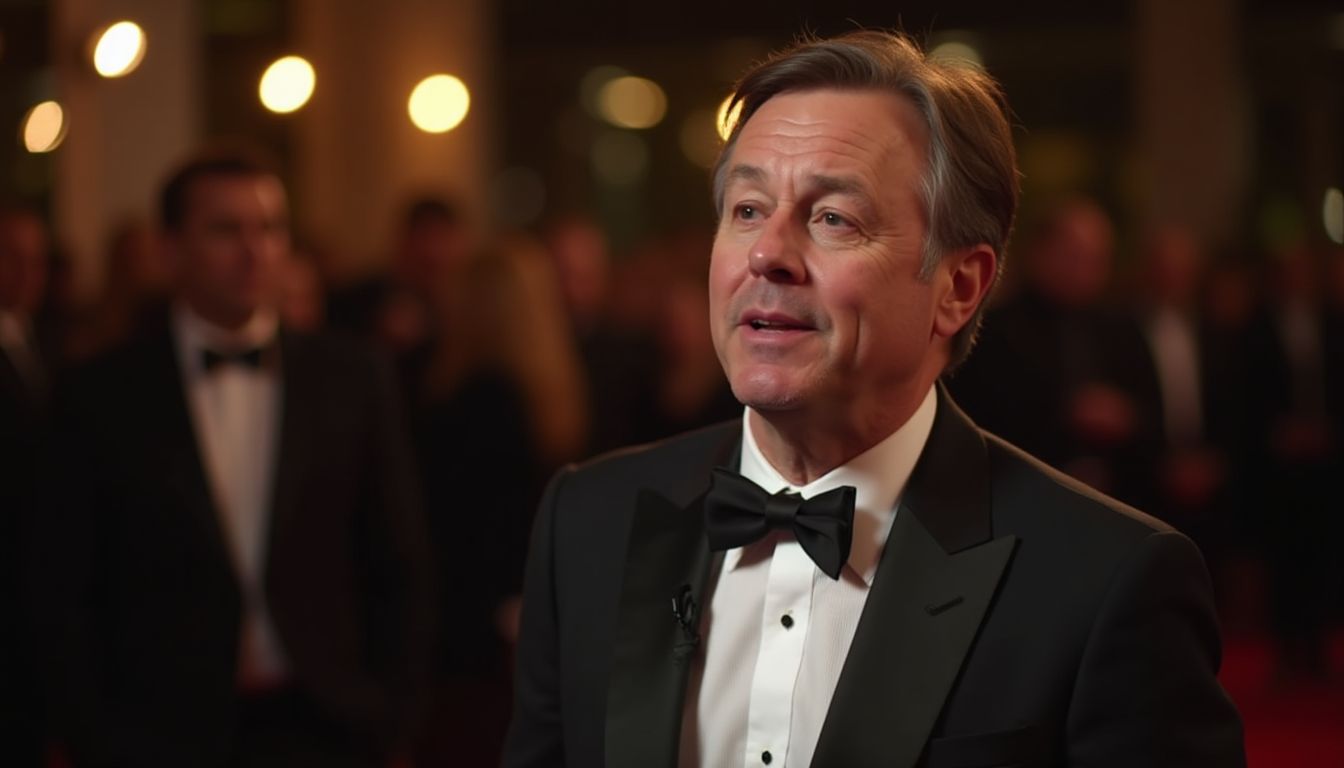
The incident occurred during the red carpet coverage, where approximately 6.5 million viewers witnessed the outburst. Broadcasting standards officials confirmed the slur was not censored due to the live nature of the feed, leading to immediate social media backlash before the medical context became clear.
Understanding Coprolalia: The Misunderstood Symptom
The guest's outburst was attributed to coprolalia, a complex symptom affecting only 10-15% of people with Tourette syndrome. Dr. Sarah Mitchell, a neurologist at King's College London, explained the condition to reporters following the incident.
"Coprolalia involves the involuntary utterance of obscene words, racial slurs, or socially inappropriate remarks," Dr. Mitchell said. "It's important to understand that these outbursts are completely beyond the person's control and do not reflect their personal beliefs or values."
Research indicates that coprolalia affects approximately 15,000 people in the UK alone, with symptoms typically emerging during adolescence and often worsening during periods of stress or excitement—such as attending high-profile public events.
BAFTA's Response and Industry Impact
BAFTA officials issued a statement within two hours of the broadcast, acknowledging the incident and emphasizing their commitment to inclusivity. "We stand firmly behind our guest and recognize that Tourette syndrome affects 300,000 people across the UK," the statement read.
Television industry insiders suggest the incident will likely prompt broadcasters to implement new protocols for live events. BBC executives are reportedly reviewing their delay systems, which currently operate on a 7-second buffer—insufficient time to catch involuntary outbursts.
"This highlights the challenge broadcasters face between authentic representation and content standards," said media analyst James Crawford. "Networks will need to balance disability inclusion with viewer expectations."
Social Media Reaction and Education Opportunity
The incident generated over 2.3 million social media mentions within 12 hours, with hashtags #TourettesAwareness and #CoprolaliaEducation trending globally. Tourette's advocacy groups seized the moment to educate the public about the condition.
"While unfortunate, this presents an unprecedented opportunity to raise awareness," said Rebecca Thompson, spokesperson for Tourettes Action UK. "The guest showed incredible courage attending such a high-profile event, and their experience can help educate millions about involuntary symptoms."
Medical experts noted that stress and excitement—common at award ceremonies—can significantly worsen Tourette's symptoms, including coprolalia episodes.
Broader Implications for Disability Representation
The controversy has reignited discussions about disability representation in entertainment and media events. Advocacy groups argue that excluding individuals with Tourette's from public events due to potential outbursts constitutes discrimination.
Recent studies show that 67% of people with Tourette's report avoiding public events due to fear of judgment or misunderstanding about their symptoms. The BAFTA incident may either worsen this trend or, conversely, increase public understanding and acceptance.
As the entertainment industry grapples with this unprecedented situation, the incident serves as a stark reminder of the complexities surrounding neurological conditions and the importance of public education about involuntary medical symptoms.