AOC's Munich Conference Comments Draw Bipartisan Concern
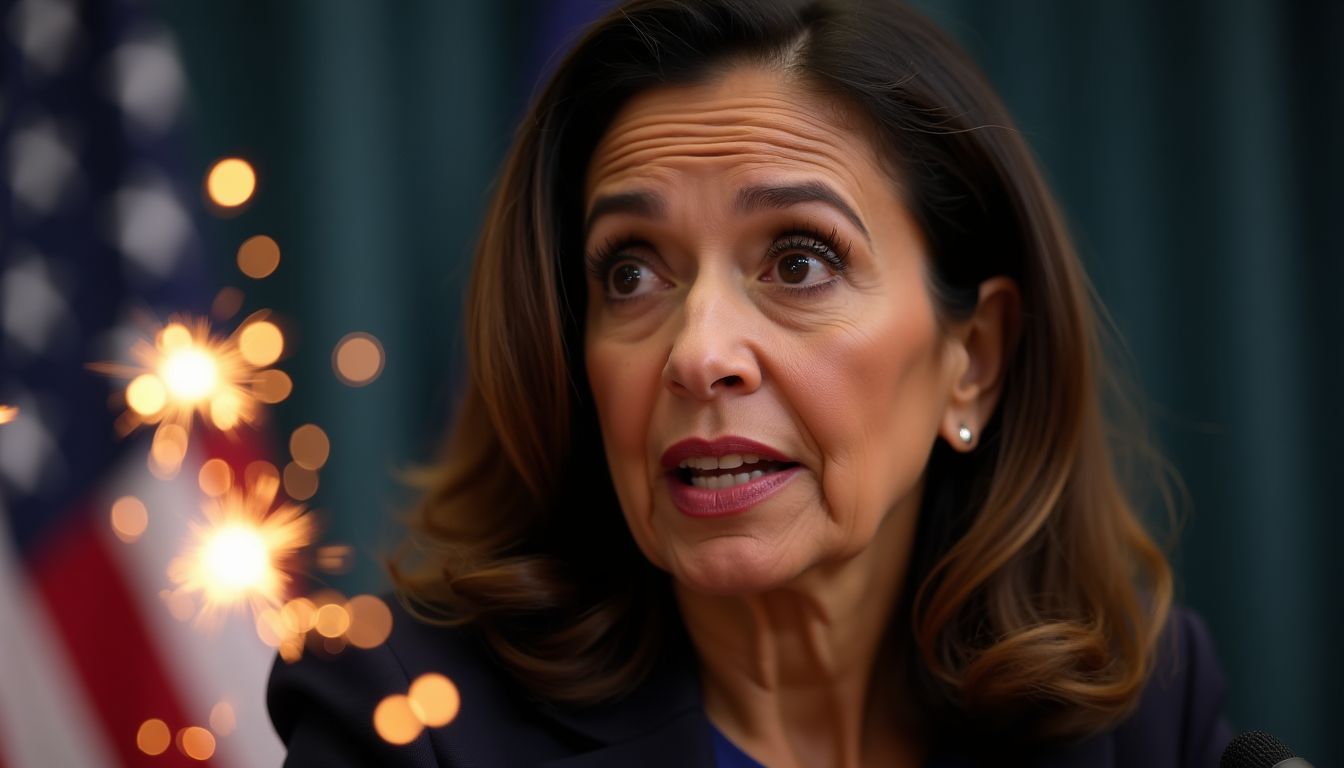
Rep. Alexandria Ocasio-Cortez (D-NY) found herself at the center of a political firestorm this week following her remarks at the Munich Security Conference, where she questioned the effectiveness of NATO's defense spending requirements and suggested reallocating funds to climate initiatives.
During a panel discussion on transatlantic security, the 34-year-old congresswoman argued that the alliance's 2% GDP defense spending target was "outdated" and that member nations should prioritize climate change as a security threat equal to traditional military concerns.
Republican Response Swift and Sharp
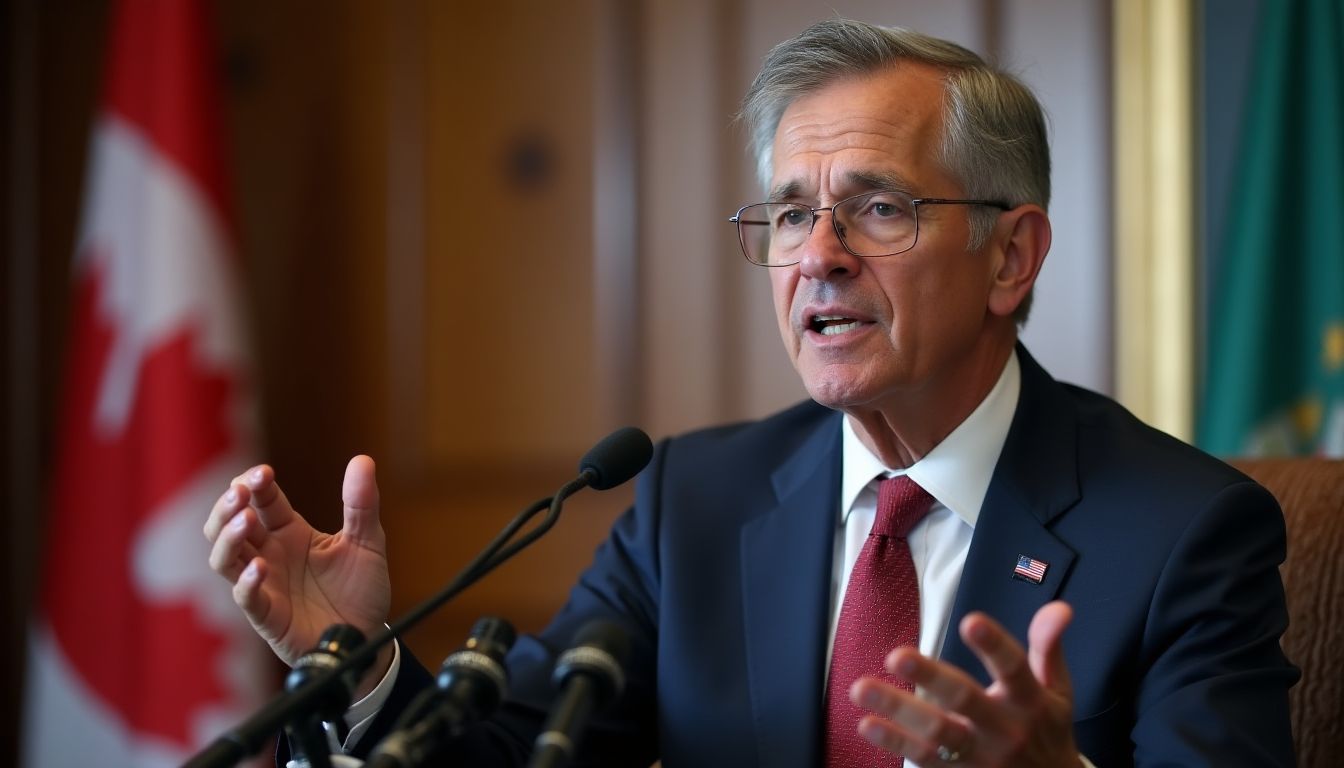
"AOC's comments demonstrate a fundamental misunderstanding of how international security works," said Rep. Mike Rogers (R-AL), ranking member of the House Armed Services Committee. "While she's worried about wind farms, Putin is building tanks."
Sen. Tom Cotton (R-AR) was more direct in his criticism, calling Ocasio-Cortez's position "dangerously naive" and arguing that her comments "embolden our adversaries while undermining confidence among our allies."
The controversy intensified when European officials reportedly expressed private concerns about the congresswoman's remarks. A senior German defense ministry official, speaking on condition of anonymity, told reporters that "such views from American lawmakers are unhelpful when we're trying to maintain unity against Russian aggression."
Context of Current Global Tensions
Ocasio-Cortez's comments come at a particularly sensitive time for NATO, with the alliance continuing to support Ukraine against Russia's invasion while managing increased defense spending across member nations. In 2023, 11 of 31 NATO countries met the 2% GDP spending target, up from just three countries in 2014.
The Munich Security Conference, attended by defense ministers, foreign policy experts, and lawmakers from dozens of countries, has traditionally focused on conventional security threats. However, recent years have seen increased discussion of climate change as a security issue.
AOC Defends Position
In response to the criticism, Ocasio-Cortez took to social media to defend her position. "Climate change will displace more people and create more conflicts than any traditional military threat," she wrote on X (formerly Twitter). "We need 21st-century solutions to 21st-century problems."
Her office released a statement emphasizing that she "fully supports NATO and America's commitment to our allies" while maintaining that "the definition of security must evolve to address emerging threats."
Foreign Policy Experts Weigh In
Dr. Michael O'Hanlon, a senior fellow at the Brookings Institution, suggested the congresswoman's comments reflect a broader generational divide on foreign policy priorities. "There's definitely a conversation to be had about expanding our definition of security threats," O'Hanlon said. "But timing and context matter in international diplomacy."
However, former U.S. Ambassador to NATO Ivo Daalder was less charitable, describing the remarks as "poorly timed and counterproductive to American leadership within the alliance."
Political Implications at Home
The controversy provides Republicans with new ammunition against progressive Democrats ahead of the 2024 elections. GOP strategists are already incorporating AOC's Munich comments into broader attacks on Democratic foreign policy credentials.
For Ocasio-Cortez, who represents a safely Democratic district in New York, the criticism is unlikely to affect her reelection prospects but could complicate her influence on foreign policy matters within the Democratic Party.
The incident highlights the ongoing tension between traditional foreign policy establishments and progressive lawmakers who seek to reshape America's international priorities around climate change and economic inequality.