Village Chief Stands Ground Amid Mining Controversy
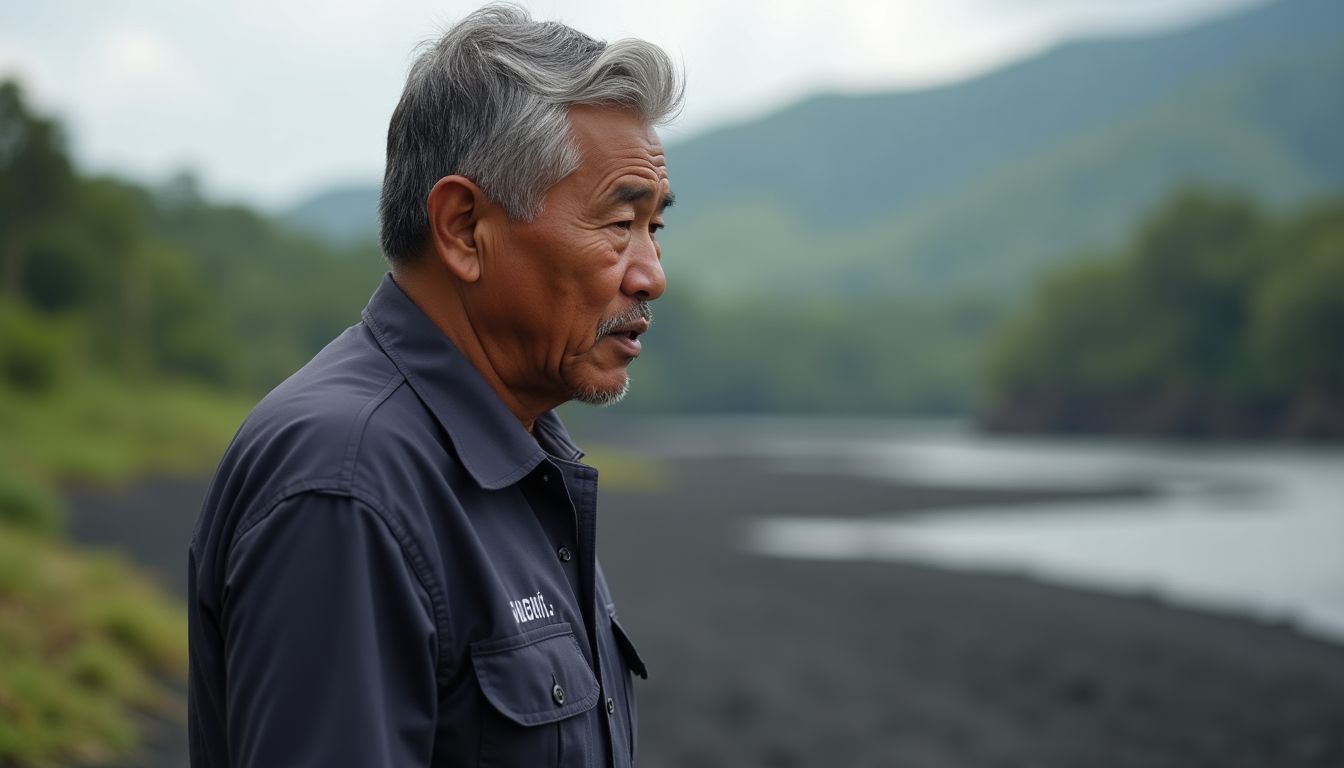
TACLOBAN CITY, LEYTE, Philippines — A heated debate has erupted in the small farming community of Barangay Maya after black sand mining operations resumed in MacArthur town, with 61-year-old village chief Pepito Guimalan firmly defending the controversial practice.
Guimalan, who has served as barangay chairperson for eight years, argues that mining provides crucial economic lifelines for the community's 3,200 residents, many of whom struggle with poverty and limited agricultural income.
Economic Necessity vs. Environmental Concerns
"This is not just about mining – this is about survival," Guimalan stated during a heated barangay assembly last Tuesday. "Our farmers earn maybe 15,000 pesos per harvest season. Mining can provide 800 to 1,200 pesos per day for our people."
The black sand mining operations, which extract magnetite and other heavy minerals from coastal areas, were previously suspended in 2019 following environmental compliance issues. The recent resumption has reignited tensions between economic development advocates and environmental protection groups.
Community Divided on Mining Impact
Maria Santos, a 45-year-old rice farmer and mother of four, represents the opposition voice in the community. "We've seen what happened to our coastline before," she said. "The beach erosion was terrible, and our fishing grounds were affected. Is short-term money worth destroying our children's future?"
However, construction worker Roberto Dela Cruz, 38, supports the mining resumption. "I was unemployed for six months during the pandemic. When mining was active before, I could feed my family consistently. Agriculture alone cannot sustain us anymore."
Regulatory Oversight and Compliance
The Department of Environment and Natural Resources (DENR) Region VIII has reportedly approved the mining resumption under stricter environmental monitoring protocols. The new guidelines include mandatory environmental impact assessments every six months and rehabilitation bonds totaling 2.5 million pesos.
Environmental lawyer Patricia Villanueva from the Leyte Environmental Watch warns that previous mining activities caused approximately 50 meters of shoreline retreat in some areas of MacArthur's coast between 2015-2018.
Historical Context of Leyte Mining
Leyte province has a complex history with mining operations, particularly following Typhoon Yolanda's devastation in 2013. Many communities turned to mining as alternative income sources during the prolonged recovery period.
The current black sand deposits in MacArthur are estimated to contain magnetite concentrations of 15-20%, making them commercially viable for steel production and construction materials.
Future Implications
As the debate continues, Chairperson Guimalan plans to hold additional community consultations throughout March. The controversy reflects broader challenges facing rural Philippine communities balancing immediate economic needs against long-term environmental sustainability.
"We cannot eat environmental awards," Guimalan concluded. "But we must also ensure our grandchildren have a community to inherit. Finding that balance is our greatest challenge."
The mining operations are expected to employ approximately 150 local workers initially, with potential expansion depending on market demand and environmental compliance performance.